
Why Every Driver Should Have a Roadside Assistance Plan
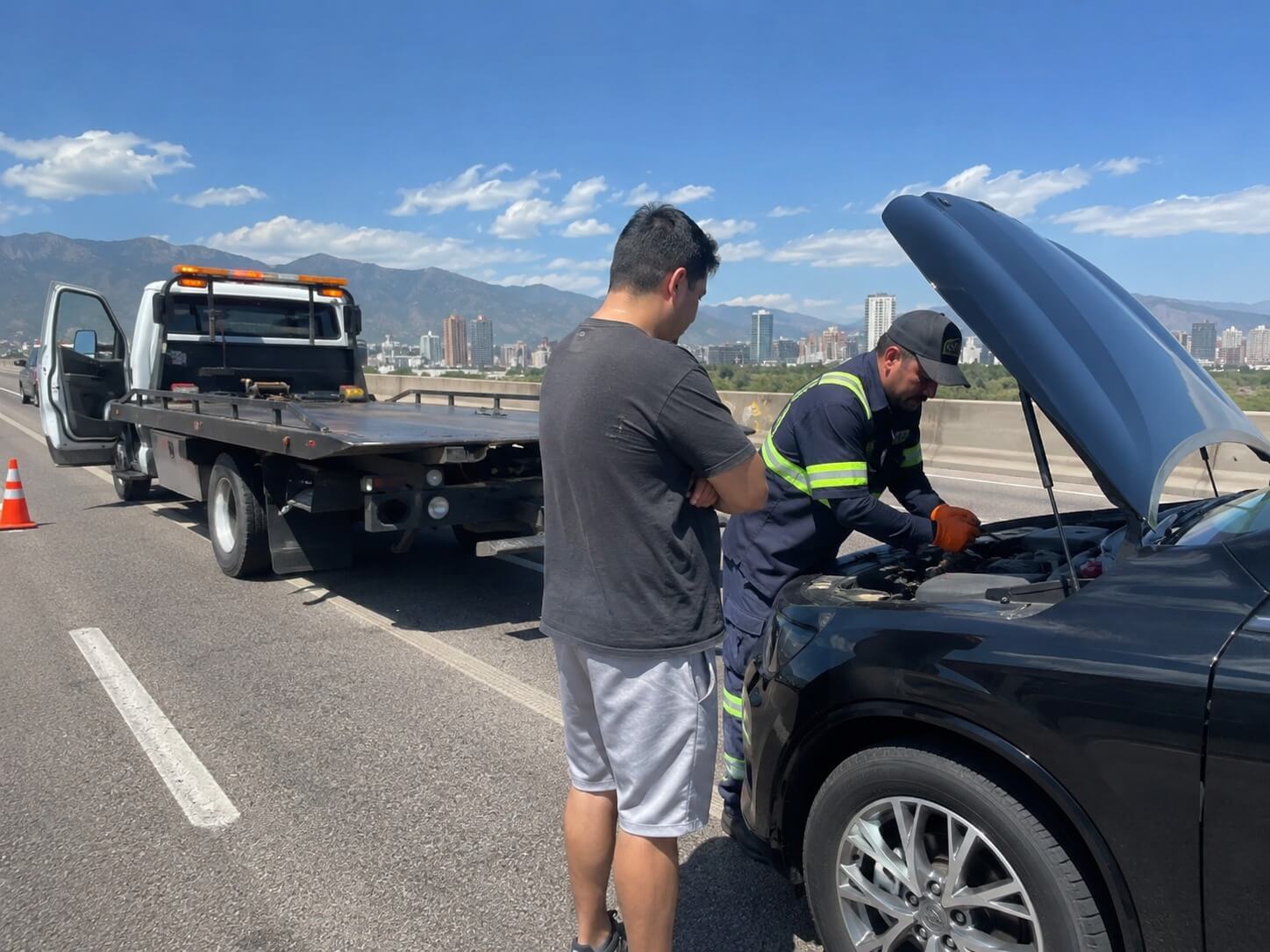
That is why having a roadside assistance plan is a smart choice for every driver. Instead of trying to figure out what to do during a stressful roadside emergency, you can have access to professional help when you need it most.
What is a Roadside Assistance Plan?
A roadside Assistance plan is a service that provides help when your vehicle becomes disabled or you experience a common driving emergency. Depending on the provider and plan, services may include towing, jump starts, flat tire assistance, fuel delivery, vehicle lockout service, and other roadside solutions.
Having a plan means you do not have to search for a tow truck or roadside service provider from scratch when you are already dealing with a vehicle problem.
1. Get Help When Your Vehicle Breaks Down
A vehicle breakdown can happen because of mechanical problems, electrical issues, overheating, or other unexpected failures.
Being stranded can be especially stressful if you are far from home or traveling on an unfamiliar road. A roadside assistance plan gives you a reliable way to request professional help and determine the next step for your vehicle.
If the Vehicle cannot be repaired at the roadside, towing may be necessary to move it to a repair shop or another safe location.
2. Avoid Being Starnded With a Dead
A dead battery is one of the most common reasons drivers need roadside assistance. Leaving lights on, extreme rempeartures, an aging battery or electrical problems can prevent your vehicle from starting.
Roadside professionals can provide a jump start and help get your vehicle moving again. If the battery will not hld a charge, you may need additional service or tow.
3. Get Help With a Flat Tire
A flat tire can happen because of a puncture, damaged tire, low tire pressure or road debris. changing a tire on the side of a busy road can also be dangerous, particularly at night or in poor weather.
Roadside assistance can provide tir-changing help when you cannot safely or properly change the tire yourself.
Remember that roadside tire service does not necessarily mean a new tire is provided. If the tire is damaged beyond repair, you may need to visit a tire shop.
4. Receive Emergency fuel Delivery
Running out of fuel can happen to anyone, especially during long trips or when a fuel gauge is inaccurate.
Rather than walking to the nearest gas station or leaving your vehicle unattended, you can contact your roadside assistance provider. many providers offer emergency fuel delivery to help you get enough fuel to reach a gas station.
5. Get Help During a Vehicle Lockout
Accidentally locking your keys inside your vehicle can turn a normal day into a frustating situation.
Roadside assistance plans may include vehicle lockout service. A qualified professional can help you regain access to your vehicle using appropriate tools and procedures while minimizing the risk of damage.
6. Improve Your Safety on the Road
A disabled vehicle can create a serious safety concern, particularly on highways, busy streets, bridges or poorly lit roads.
When your vehicle cannot move, turn on your hazard lights and move to a safe location if possible. Avoid standing near traffic and remain in a secure area while waiting for professional assistance.
7. Reduce the Stress of Unexpected Car Problems
Vehicle emergencies can be stressful because you may not know who to call or how much help will cost.
With a roadside assistance plan, you already have a service option available. Knowng that professional assistance is only a phone call or service request away can provide greater peace of mind every time drive.
8. Protect Yourself During Long Road Trips
Road trips often involve hundreds of miles of driving, Unfamiliar roads snd locations where finding immediate help may be difficult.
Before taking a long trip, check waht your roadside assistance plan covers and whether there are mileage, service or georgrephic limitations. Understanding your coverage before an emergency happens can prevent confusion later.
9. Know What Your Plan COvers Before You Need It
Not every roadside assistance plan provides the same services. Some plans may have limits on towing distance, the number of service calls or specific types of assistance.
Before choosing a plan, look at important details such as:
• Towing coverage and mileage limits
• Battery jump-start service
• Flat tire assistance
• Vehicle lockout service
• Service-call limits
• Coverage areas
• Additional fees or exclusions
Understanding these details helps you choose coverage that fits your driving habits and vehicle needs.
10. A Roadside Assistance Plan Can Be a Smart Investment
No driver wants to think about getting stranded, but preparing for an emergency is better than trying to handle one without a plan.
The cost and coverage of roadside assistance vary by provider, so compare your options carefully. You may also alrady have roadside assistance through your auto insurance policy, Vehicle manufacturer, dealership or another membership service.
Before purchasing additional coverage, check your existing benefits to avoid paying twice for similar services.
What Should You Do If You Need Roadside Assistance?
If your vehicle becomes disables, prioritize your safety first. Turn on your hazard lights, move away from traffic when it is safe to do so, and contact your roadside assistance provider.
Give the dispatcher your exact location, vehicle make and model, the problem you are experiencing and any other information that may help the service provider locate you quickly.
If you are on a busy highway, do not attempt a roadside repair if doing so puts you close to moving traffic.
Final Thoughts
Every driver hopes to avoid a roadside emergency, but vehicle problems can happen without warning. A roadside assistance plan provides a practical way to prepare for common situations such as breakdowns, dead batteries, flat tires, lockouts and running out of fuel.
Before choosing a plan, Understand its services, coverage limits, towing distance, and exclusions. Most importantly, keep the roadside assistance contact information easily accessible so you know who to call when an unexpected vehicle problem occurs.