
When Should You Call an Emergency Towing Service?
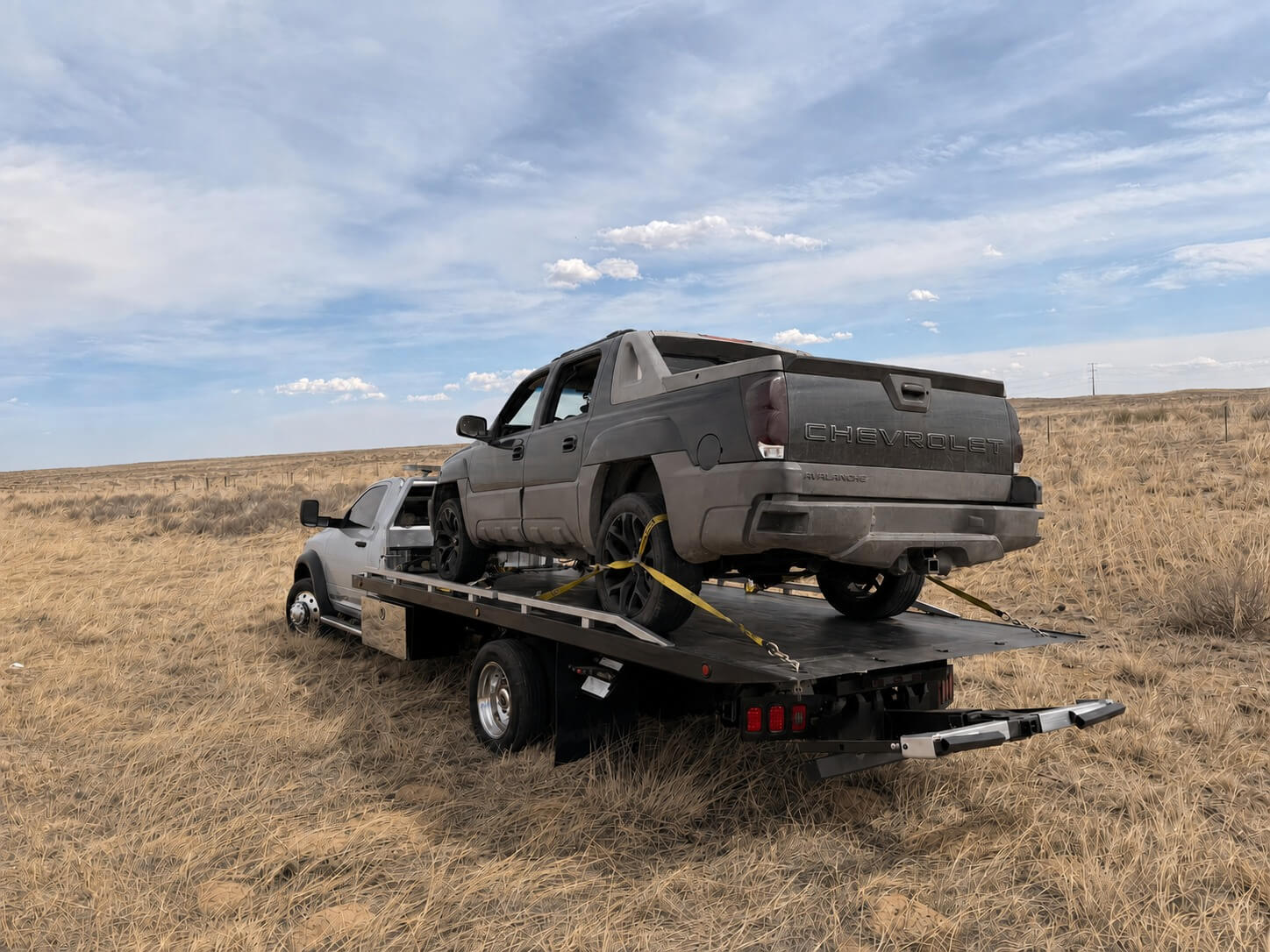
In this guide, we’ll explain the most common situations that require emergency towing, why acting quickly matters, and what you should do while waiting for professional assistance.
What Is an Emergency Towing Service?
An emergency towing service provides immediate assistance when your vehicle becomes unsafe or impossible to drive. Unlike scheduled towing, emergency towing is available when unexpected breakdowns, accidents, or roadside emergencies occur.
Professional towing companies use specialized equipment to transport your vehicle safely to a repair shop, your home, or another destination of your choice.
Signs You Need an Emergency Towing Service
1. You’ve Been Involved in an Accident
Even if your vehicle appears drivable after a collision, hidden damage could make it unsafe.
Call an emergency towing service if:
•Airbags deployed
•Steering feels abnormal
•Fluids are leaking
•Wheels or suspension appear damaged
•Doors won’t close properly
•The vehicle won’t start
Driving after an accident could worsen the damage and create additional safety hazards.
2. Your Engine Suddenly Stops Running
An engine failure can happen without warning due to mechanical problems, overheating, electrical failures, or fuel system issues.
If your engine stalls and won’t restart:
•Move safely off the road if possible.
•Turn on your hazard lights.
•Stay inside the vehicle if traffic is heavy.
•Call an emergency towing company.
Attempting repeated restarts may cause additional engine damage.
3. Your Car Is Overheating
An overheating engine is a serious warning sign.
Continuing to drive can lead to:
•Blown head gaskets
•Cracked engine blocks
•Damaged cylinders
•Expensive engine repairs
If the temperature gauge reaches the red zone or steam is coming from under the hood, pull over immediately and request professional towing.
4. Transmission Failure
Transmission problems often make driving impossible.
Common symptoms include:
•Grinding noises
•Burning smell
•Slipping gears
•Vehicle won’t move
•Delayed acceleration
Driving with transmission failure can result in complete transmission replacement, making towing the safer option.
5. Flat Tire Without a Spare
Many newer vehicles no longer include a spare tire.
If:
•Your tire is severely damaged
•Multiple tires are flat
•Your lug nuts are stuck
•You’re stranded in an unsafe location
Emergency roadside assistance or towing is the safest solution.
6. Your Vehicle Won’t Start
A vehicle that refuses to start could have:
•Dead battery
•Faulty starter
•Alternator failure
•Electrical issues
•Fuel delivery problems
If a jump-start doesn’t solve the issue, towing may be necessary to reach a repair facility.
7. Brake Failure
Brake issues should never be ignored.
Warning signs include:
•Soft brake pedal
•Grinding sounds
•Brake warning light
•Vehicle pulling while braking
•Complete brake failure
Driving without reliable brakes is extremely dangerous and requires immediate towing.
8. You Slide Into a Ditch or Off the Road
Bad weather can quickly leave vehicles stuck.
Professional recovery services can safely remove vehicles from:
•Snow
•Mud
•Ditches
•Sand
•Embankments
Attempting to free your vehicle yourself may cause additional damage or personal injury.
9. Your Vehicle Is Leaking Fluids
Leaks may indicate serious mechanical problems.
Watch for:
•Engine oil
•Coolant
•Transmission fluid
•Brake fluid
•Power steering fluid
Large leaks usually mean it’s unsafe to continue driving.
What To Do Before the Tow Truck Arrives
While waiting for help:
•Turn on your hazard lights.
•Move your vehicle to a safe location if possible.
•Stay behind a guardrail when outside the vehicle.
•Keep passengers away from traffic.
•Gather important belongings.
•Have your location ready when speaking with the dispatcher.
Remaining calm and visible helps improve safety while assistance is on the way.
Benefits of Calling a Professional Emergency Towing Company
Professional towing services provide more than just transportation. Experienced operators help protect your vehicle throughout the process.
Benefits include:
•Fast emergency response
•Damage-free towing equipment
•Licensed and insured operators
•24/7 roadside availability
•Safe accident recovery
•Reliable vehicle transport
•Peace of mind during stressful situations
Using professional towing equipment minimizes the risk of additional vehicle damage.
Preventing Future Roadside Emergencies
Although not every breakdown can be avoided, regular maintenance significantly reduces your chances of needing emergency towing.
Helpful maintenance includes:
•Check battery health regularly.
•Inspect tire pressure monthly.
•Change engine oil as recommended.
•Monitor coolant levels.
•Replace worn brake components.
•Address warning lights immediately.
•Schedule routine vehicle inspections.
Preventive maintenance is often less expensive than emergency repairs.
Final Thoughts
Knowing when to call an emergency towing service can make a stressful situation much safer and prevent costly vehicle damage. Whether you’ve been involved in an accident, experienced engine failure, suffered a flat tire, or become stranded in hazardous conditions, professional towing services provide the safe, reliable assistance you need.
Instead of risking further damage or putting yourself in danger, contact a trusted emergency towing company that offers fast response times, experienced operators, and dependable roadside support. When vehicle trouble strikes, having a reliable towing service just a phone call away can make all the difference.